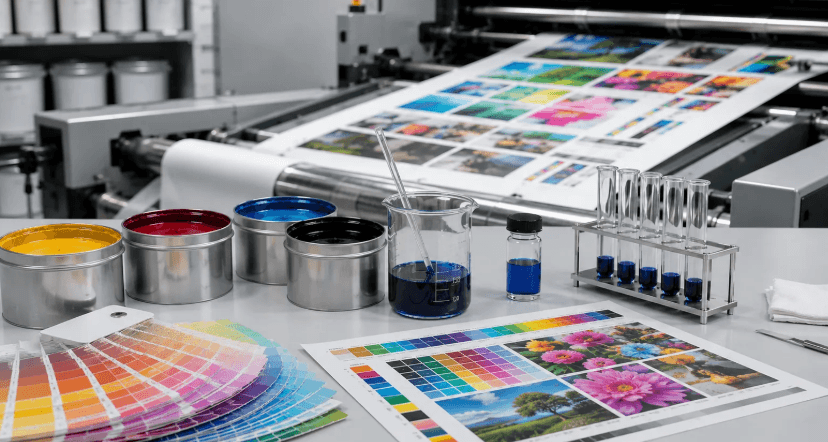
Gravure printing is widely used for applications where consistent, high-quality reproduction is important. Packaging, labels, decorative materials, and other printed products often require precise graphics, stable color, accurate registration, and a clean surface appearance.
Maintaining these standards throughout a long production run can be challenging. Gravure presses can operate continuously at high speeds, meaning a small problem can affect a considerable amount of material if it is not detected quickly.
Automated visual monitoring provides manufacturers with a way to observe printed material while production is underway. By combining imaging equipment with specialized software, production teams can identify potential quality issues earlier and respond before they become more widespread.
Understanding Gravure Printing Quality
Gravure printing uses engraved cylinders to transfer ink onto a substrate. The process is capable of producing detailed and consistent images, but maintaining quality requires control over several production variables.
Ink behavior, cylinder condition, substrate characteristics, pressure, drying conditions, and machine settings can all influence the final result.
Because multiple factors interact during production, continuous monitoring can provide valuable information about whether the printed output remains within the desired quality range.
Why Continuous Inspection Matters
Traditional quality checks may involve sampling material at intervals. While sampling can provide useful information, it does not necessarily reveal what happens between inspection points.
A defect may appear shortly after an acceptable sample has been approved. If the issue continues unnoticed, a large quantity of material may be affected before the next manual check.
Continuous automated monitoring provides a different approach by observing the printed web throughout production.
This can help shorten the time between a defect appearing and the operator becoming aware of it.
Common Gravure Printing Defects
Gravure production can experience various visual inconsistencies.
Color Variation
Changes in ink conditions or other process variables can affect color consistency. Maintaining a stable appearance is particularly important for branded packaging and products with strict visual requirements.
Registration Errors
When multiple colors are printed, accurate alignment is essential. Registration differences can create visible shifts between elements of the design.
Spots and Streaks
Unwanted marks may appear because of ink-related issues, contamination, material conditions, or equipment factors.
Missing or Weak Print
Certain areas may appear incomplete or lighter than expected due to production conditions affecting ink transfer.
Surface Imperfections
The final appearance can also be affected by scratches, contamination, or other unwanted surface characteristics.
Identifying these issues early can help production teams investigate the source before the problem becomes more extensive.
The Role of Machine Vision
Automated imaging technology can continuously capture information from the moving web.
Cameras observe the printed material while specialized software analyzes the images. The system can compare production output against an appropriate reference or evaluate it using predefined inspection criteria.
When a significant difference is detected, an alert can notify the operator.
This creates a continuous feedback mechanism that complements the knowledge and experience of production personnel.
Camera Selection and Positioning
The imaging setup needs to match the requirements of the gravure line.
Important considerations include production speed, web width, print detail, substrate characteristics, and the size of defects that need to be identified.
Camera positioning is equally important. The inspection area needs to provide a clear and stable view of the printed material.
A well-designed imaging setup helps ensure that the software receives consistent visual information throughout production.
See also: DIY Wall Painting Techniques
Lighting Conditions
Lighting can have a significant effect on automated visual inspection.
Different substrates reflect light differently. Glossy films, coated materials, and other surfaces may create glare or reflections that affect captured images.
Consistent illumination helps minimize these unwanted variations.
Lighting should therefore be considered as part of the complete inspection design rather than as a separate installation detail.
Detecting Problems During Production
One of the main benefits of continuous monitoring is earlier awareness.
If a defect begins to appear, the inspection system can potentially identify it while the press is still operating.
The operator can then inspect the affected area and investigate possible causes.
Depending on the issue, the production team may review ink conditions, cylinder performance, substrate movement, machine settings, or other relevant factors.
The inspection system provides information, while human expertise remains essential for determining the appropriate response.
Reducing Material Waste
Waste can become a significant concern in high-volume gravure production.
When a defect remains unnoticed, material continues to be processed even though it may not meet the desired quality standard.
Earlier detection can reduce the time during which a problem continues unnoticed. This can give operators more opportunity to correct the issue and potentially limit the amount of affected material.
The actual reduction in waste depends on production speed, defect type, response time, and other operational factors.
Supporting Consistent Color and Graphics
Brand owners often expect packaging and printed materials to maintain a consistent appearance.
Color variation, registration differences, and changes in graphic elements can affect the final product.
Automated monitoring can provide additional visibility into these characteristics throughout the production run.
By continuously comparing output against appropriate quality references, manufacturers can identify changes that may require investigation.
Using Inspection Data for Process Improvement
Inspection systems can provide useful information beyond immediate defect alerts.
When quality events are recorded, production teams can analyze recurring patterns.
For example, if similar defects repeatedly occur under particular operating conditions, the manufacturer can investigate whether there is a relationship with equipment maintenance, material handling, ink behavior, or other process variables.
This can support a more preventive approach to quality management.
Combining Automation With Operator Expertise
Automated inspection should not be considered a replacement for experienced production personnel.
Operators understand the press, materials, product specifications, and acceptable tolerances. Their judgment is essential when interpreting inspection results.
The automated system can handle continuous visual observation, while operators concentrate on evaluating alerts and determining appropriate corrective actions.
This combination can create a practical and efficient quality-control process.
Integrating Inspection Into a Gravure Line
An inspection solution should fit naturally into the existing production workflow.
Manufacturers need to consider physical installation, camera placement, lighting, material movement, operator access, and maintenance requirements.
The software interface should also be straightforward enough for operators to review alerts without unnecessary delays.
Proper integration can make inspection a normal part of production rather than an additional process that disrupts the workflow.
Choosing an Appropriate Solution
Different gravure applications have different quality requirements.
Before selecting an inspection solution, manufacturers should evaluate:
- Press speed
- Web width
- Substrate type
- Print characteristics
- Expected defect types
- Required inspection resolution
- Lighting conditions
- Camera configuration
- Software capabilities
- Reporting requirements
- Production-line integration
The inspection approach should be based on the actual application rather than generic specifications.
Manufacturers exploring automated solutions can learn more about gravure printing quality inspection systems when evaluating options for continuous quality monitoring.
Maintaining Reliable Inspection
An inspection system needs ongoing maintenance to remain effective.
Camera positions should be checked periodically, lighting should remain consistent, and software settings should be reviewed when production conditions change.
New designs, materials, or product specifications may also require inspection parameters to be updated.
Operator training is another important factor. Staff should understand how to interpret alerts and how to respond appropriately when potential quality problems are identified.
Building a Strong Quality Strategy
Automated inspection is most effective when it is part of a broader quality strategy.
Manufacturers can combine continuous visual monitoring with process controls, operator expertise, preventive maintenance, and documented quality procedures.
Inspection results can then contribute to continuous improvement by highlighting recurring problems and providing information for further investigation.
The objective is not simply to find defective material but to create a production environment where problems are identified and addressed as efficiently as possible.
Frequently Asked Questions
1. Why is quality control important in gravure printing?
Gravure printing often involves detailed graphics and high-volume production. Maintaining consistent color, registration, print appearance, and surface quality is important for meeting product and customer requirements.
2. Can automated inspection detect gravure printing defects?
Automated visual inspection can help identify various visual inconsistencies, including spots, streaks, registration differences, missing print, and other defects, depending on the system configuration and inspection criteria.
3. Can inspection technology reduce waste?
Earlier defect detection can help operators identify problems sooner and potentially limit the amount of material affected. The results depend on production conditions and how quickly corrective action is taken.
Conclusion
Maintaining consistent quality in gravure printing requires continuous attention to the production process. High-speed presses can produce large quantities of material quickly, making timely defect detection especially important.
Automated visual inspection can strengthen quality control by continuously monitoring printed material and providing operators with information about potential inconsistencies. It can support earlier problem detection, reduce potential waste, improve production visibility, and contribute to more consistent output.
The most effective approach combines suitable imaging technology with controlled lighting, reliable software, skilled operators, and appropriate production procedures. When these elements work together, manufacturers can build a stronger quality-control process that supports both efficiency and dependable gravure printing performance.