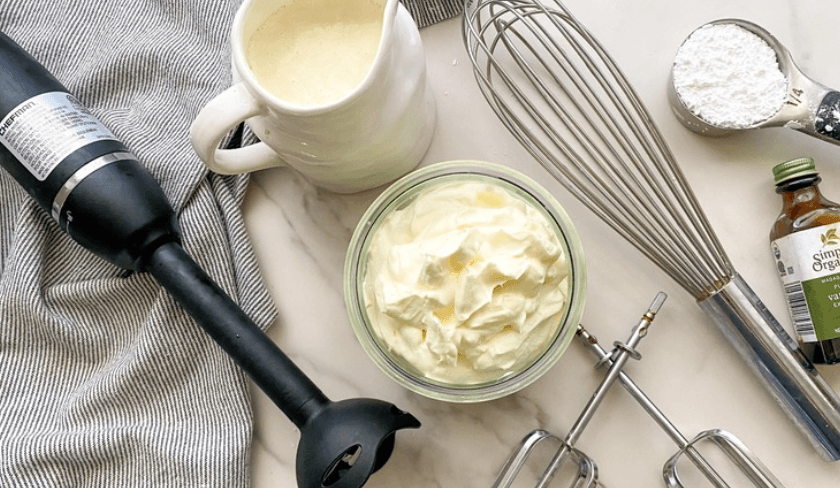
Creating smooth and attractive whipped cream can make a noticeable difference in desserts, beverages, and bakery products. For cafés, restaurants, bakeries, caterers, and home kitchens, having suitable preparation equipment can simplify the process and help maintain consistent results.
Modern culinary tools allow whipped cream to be prepared efficiently without relying entirely on traditional manual methods. However, selecting suitable equipment requires attention to several factors, including dispenser compatibility, ingredient quality, capacity, cleaning, storage, and safe handling.
Whether the equipment is intended for occasional home use or frequent commercial preparation, understanding these considerations can help users establish a practical and reliable workflow.
The Role of a Cream Dispenser
A cream dispenser is designed to hold cream and dispense it after the mixture has been aerated. It provides a convenient way to prepare and serve whipped cream for a variety of culinary applications.
In professional kitchens, dispensers can be particularly useful because desserts and drinks may need to be finished quickly during service. A suitable system can help staff maintain a consistent presentation while reducing unnecessary preparation time.
The dispenser itself should be selected according to the intended application and the manufacturer’s specifications. Capacity, construction, nozzle design, cleaning requirements, and compatible chargers are all worth considering.
Understanding Charger Compatibility
One of the most important aspects of a whipped-cream system is compatibility between the dispenser and charger.
Not every charger is suitable for every dispenser. Users should check the manufacturer’s instructions before assembling the equipment. This is especially important when working with larger-format products designed for specific compatible systems.
For example, businesses researching a Rotass cream charger should first consider the dispenser requirements, intended culinary application, and relevant manufacturer guidance rather than selecting equipment based only on size or appearance.
Correct compatibility supports both reliable performance and responsible handling.
Factors to Consider Before Choosing Equipment
Different kitchens have different requirements, so there is no single setup that works perfectly for everyone.
Frequency of use
A household that prepares whipped cream occasionally may have different priorities from a busy café serving dozens of desserts each day.
Commercial users should consider how frequently the equipment will be operated and whether it can fit comfortably into their existing workflow.
Capacity
Capacity should correspond with normal preparation requirements. Choosing equipment that is too small may create repeated preparation tasks, while unnecessarily large equipment may not be practical for smaller kitchens.
Ease of cleaning
Food-contact equipment needs regular cleaning. A dispenser with removable components and clear maintenance instructions can make this process easier.
Build quality
Commercial equipment is often exposed to frequent use, so durability can be an important consideration. Users should pay attention to construction quality and manufacturer guidance.
Preparing Ingredients Correctly
Equipment is only one part of successful whipped-cream preparation. Ingredient condition can have a significant influence on the final result.
Cream is commonly kept chilled before preparation because temperature can affect aeration and stability. Ingredients should also be stored according to appropriate food-safety practices.
Before beginning preparation, users should check that the cream is fresh and has been stored correctly. Maintaining consistent preparation conditions can help produce more predictable results.
For professional kitchens, standardized ingredient handling can also make training easier because employees can follow the same process each time.
Keeping the Dispenser Clean
Cleanliness is essential whenever equipment comes into contact with food.
Cream residue can collect around the dispenser nozzle, seals, valves, and other components. If these areas are not cleaned correctly, they may affect hygiene and equipment performance.
The dispenser should be cleaned according to the manufacturer’s instructions after use. Removable components should be washed and handled appropriately before being stored.
Restaurants and cafés may benefit from creating a simple cleaning schedule. Assigning responsibility to staff can help ensure that equipment does not remain uncleaned between shifts.
Safe Use of Pressurized Culinary Products
Culinary chargers contain compressed gas and should therefore be handled responsibly.
Users should read the instructions supplied with their equipment and charger before use. Pressurized containers should not be punctured, heated, modified, damaged, or exposed to unnecessary physical impact.
Storage is also important. Chargers should be kept in appropriate conditions and away from excessive heat and direct sunlight.
Staff working in professional kitchens should receive basic training on how to handle pressurized culinary equipment. This can reduce avoidable mistakes and encourage a stronger safety culture.
Creating Better Dessert Presentation
Whipped cream is not only about flavor. It can also contribute significantly to visual presentation.
A neat topping can improve the appearance of cakes, pies, waffles, pancakes, hot beverages, fruit desserts, and plated dishes. Consistent dispensing can help businesses create a recognizable presentation style.
Cafés and restaurants can establish standard serving procedures so that employees know how much cream to use and how the finished product should look.
This can be especially useful when multiple employees are responsible for preparing the same menu items.
Improving Efficiency During Busy Service
During busy periods, preparation speed becomes particularly important.
A well-organized workstation can help employees move efficiently between ingredient storage, preparation, dispensing, and cleaning. Equipment should have a designated location so staff can access it quickly.
Preparing ingredients in advance, where appropriate and consistent with food-safety requirements, can also reduce delays during service.
The goal should not simply be speed. Efficient preparation should combine convenience with proper hygiene, safe equipment handling, and consistent food quality.
Common Problems to Watch For
Whipped cream may sometimes fail to achieve the expected texture or consistency. Several factors can contribute to this.
The cream may not be sufficiently chilled, the equipment may require cleaning, or the dispenser may not have been assembled correctly. An incompatible charger can also create problems.
Rather than changing several variables at once, users should review the manufacturer’s instructions and check each part of the preparation process systematically.
This approach can help identify the actual cause and prevent the same issue from happening again.
Choosing a Reliable Culinary Routine
The best equipment becomes more useful when supported by a consistent routine.
A practical routine can include checking the dispenser before use, confirming that the charger is compatible, preparing chilled ingredients, following the recommended operating procedure, and cleaning the equipment afterward.
For businesses, written procedures can help ensure that every employee follows the same standards. This can improve consistency while making training new staff easier.
FAQs
1. What is a cream charger used for?
A culinary cream charger is designed for use with a compatible dispenser to aerate cream and prepare whipped cream for food and beverage applications.
2. Can all cream chargers be used with every dispenser?
No. Compatibility varies between equipment. Users should always check the dispenser and charger manufacturer’s specifications before use.
3. How can whipped cream quality be improved?
Using properly chilled ingredients, clean compatible equipment, and consistent preparation procedures can help achieve more reliable results.
Conclusion
Good whipped-cream preparation depends on several elements working together. Suitable equipment, compatible components, properly handled ingredients, regular cleaning, and responsible use all contribute to a dependable culinary process.
For both commercial and home kitchens, taking time to understand equipment requirements can make preparation easier and more consistent. With the right workflow and careful attention to manufacturer instructions, whipped cream can remain a practical and attractive addition to a wide range of desserts and beverages.