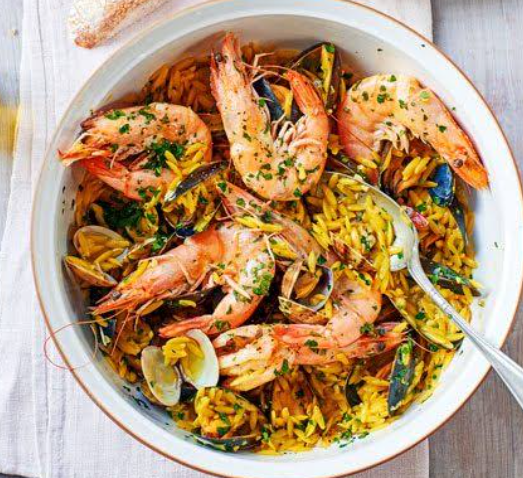
Seafood offers remarkable variety in the kitchen. From quick weekday meals to restaurant-style dishes, different seafood products can be adapted to numerous recipes and cooking methods.
For many households and food businesses, frozen ingredients provide an especially practical way to keep seafood available. Properly stored products can support flexible menu planning without requiring immediate use after purchase.
The key is to combine thoughtful meal planning with responsible storage and preparation.
Building a Flexible Menu
A good seafood menu should offer variety without becoming unnecessarily complicated.
Fish can be used for baked or grilled dishes, while prawns and other seafood can be incorporated into pasta, rice, noodles, salads, and soups.
Restaurants can create several dishes around a manageable group of ingredients. This can simplify inventory and reduce waste.
Home cooks can use the same principle by choosing versatile ingredients that work across multiple meals.
Using Frozen Ingredients Effectively
Frozen products can be convenient because they can be stored until needed.
When selecting frozen seafood buyers should consider portion sizes and planned recipes. This helps avoid thawing more food than necessary.
Smaller portions can also provide flexibility for households where meals vary from day to day.
Seafood and Quick Meals
Seafood can be particularly useful when time is limited.
A simple combination of seafood, vegetables, rice, or noodles can create a complete meal without requiring a complicated recipe.
Seasonings can be adjusted according to the desired style. Herbs, citrus, garlic, ginger, spices, and sauces can all change the character of a dish.
Restaurant Menu Planning
Restaurants need to balance creativity with operational efficiency.
A menu containing too many unique ingredients can make purchasing and inventory management difficult. Using versatile seafood products across several dishes can simplify operations.
Chefs can also develop dishes that share preparation components while offering different flavors and presentations.
This approach can reduce waste and make staff training easier.
Matching Cooking Methods to Ingredients
Cooking technique affects the final texture and flavor.
Baking can be useful for larger portions, while pan cooking may work well for smaller pieces. Stir-frying can be suitable for quick meals, and soups provide an opportunity to combine seafood with vegetables and broth.
The selected method should match the product and recipe.
The Importance of Portion Control
Portion control is particularly important in commercial kitchens.
Standard serving sizes help restaurants calculate food costs and maintain consistency. They can also reduce waste.
Home cooks can benefit as well. Portioning seafood before storage can make it easier to prepare exactly what is needed for each meal.
Combining Seafood With Other Ingredients
Seafood can be paired with a wide range of ingredients.
Vegetables provide color and texture, while grains and noodles can make dishes more filling. Fresh herbs and sauces can add additional flavor without requiring complicated preparation.
The possibilities are broad enough that the same seafood ingredient can appear in several different types of meals.
Food Safety During Preparation
Good recipes still require good handling practices.
Raw seafood should be kept separate from ready-to-eat ingredients. Preparation surfaces and utensils should be cleaned appropriately, and hands should be washed after handling raw products.
Thawing should also be managed using suitable food-safety practices.
Restaurants should ensure that employees understand these procedures.
Reducing Waste Through Planning
Meal planning can help consumers use ingredients efficiently.
Before purchasing seafood, it is useful to consider how much is already stored and which products should be used first.
Restaurants can monitor unused portions and adjust future purchasing accordingly.
Waste reduction benefits both budgets and sustainability.
FAQs
1. What makes seafood useful for everyday meals?
Its variety makes it suitable for many recipes, including pasta, rice, soups, salads, grilled dishes, and baked meals.
2. Can frozen seafood support restaurant menus?
Yes. Properly stored frozen products can provide flexibility and predictable inventory for many food-service operations.
3. How can seafood waste be reduced?
Planning meals, controlling portions, organizing inventory, and purchasing according to demand can all help reduce waste.
Conclusion
Seafood can be a versatile addition to both household and professional menus. With thoughtful planning, suitable storage, proper handling, and a variety of cooking methods, the same ingredients can support many different meals.
A practical approach allows kitchens to enjoy the convenience of frozen products while maintaining responsible food-safety and inventory practices.