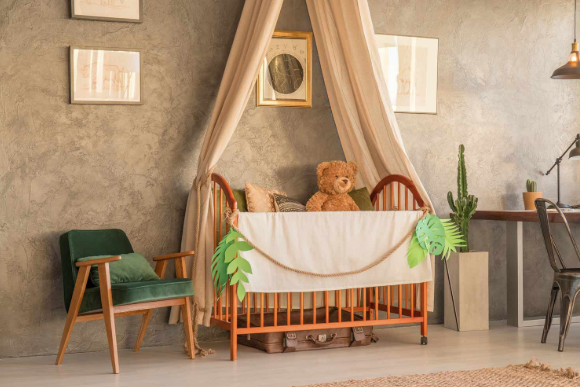
DIY wall painting techniques emphasize preparation, application, and finish. Surfaces are primed to equalize porosity, and edges are edged with careful blade work. Rollers apply even coats, while sponges or textures introduce deliberate irregularities. Pressure and angle shape texture, with layered passes building depth. Edges stay sharp through mindful technique, and cleanup preserves tools for reuse. The method yields durable results, yet the next steps reveal subtleties that warrant closer attention.
What You’Ll Achieve With DIY Wall Painting
This section outlines the concrete outcomes of undertaking a DIY wall-painting project. The results emphasize control, measurable improvement, and personal satisfaction. A painter gains knowledge of gloss vs matte choices and their impact on light, texture, and durability.
Improved color harmony emerges through deliberate selection, spacing, and sequencing, enabling rooms to convey intended mood, balance, and cohesive design without dependence on professional schedules or costs.
Prepping Surfaces for Flawless Coverage
Preparing surfaces properly sets the foundation for even, long-lasting coverage. The approach is deliberate and repeatable, focusing on consistent steps rather than guesswork. Edge preparation ensures clean edges and minimizes feathering, while surface priming creates a uniform pore structure for adhesion. Sand rough spots, wipe dust, and inspect for repairs; finalize with a calm, measured prime before applying color.
Finishes and Techniques: Rollers, Sponges, and Textures
Finishes and techniques for application—rollers, sponges, and textures—define the final appearance and tactile quality of a painted surface.
The textural outcome emerges from controlled tool use and consistent technique.
Rollers provide uniform coats; sponges introduce irregular capture.
Textures vary with pressure, angle, and layering.
Documented methods ensure repeatable results, balancing aesthetics with durability, while preserving freedom in design exploration.
rollers textures, sponges finishes.
Finishing Touches: Edges, Cleanups, and Longevity
Careful attention to edges, cleanup routines, and long-term durability ensures a polished result and repeatable performance. Finishing touches focus on clean delineation and minimal touch-ups, guiding consistent outcomes. Edge smoothing is achieved through careful blade use and feathering strokes, preserving sharp boundaries without damage. Storage tips include airtight containers for leftovers and labeled sets for tools, preventing contamination and extending project longevity.
Frequently Asked Questions
How Do I Choose the Right Primer for My Wall Type?
Primer compatibility depends on surface type and existing coatings; assess porosity, stain potential, and sheen. Consider surface prep considerations, choosing a primer specifying adhesion to drywall, plaster, or wood. The approach remains precise, methodical, and oriented toward freedom.
Can I Repaint Over Existing Wallpapers Safely?
Yes, one can repaint over wallpaper safely with proper preparation. They should choosing primer suited to wallpaper, apply safety gear, fix marks, and consider budget finishes while ensuring the surface is clean, dry, and smoothly sealed throughout the process.
What Safety Gear Is Essential for DIY Painting?
“Safety first,” notes the guide. The essential safety gear includes gloves, goggles, mask, and coveralls; ventilation precautions are crucial, roller grit removal is advised, and dust control tips help protect occupants during DIY painting.
How Do I Fix Common Roller or Brush Marks?
Fixing roller marks involves re-rolling with light pressure, while brush stroke smoothing uses gentle, vertical strokes. Employ budget friendly texture techniques and easy to apply finishes for consistent results, enabling an audience seeking freedom to achieve polished walls.
See also: What Is a Crypto Wallet and How It Works
What Are Budget-Friendly Alternative Paint Finishes or Textures?
Budget friendly texture alternatives include skip-town textures, sanded plaster, faux finish simulations, and composite acrylics; a careful approach yields varied surfaces without high cost. Texture alternatives are described with clarity, enabling this audience to pursue cost-conscious experimentation freely.
Conclusion
In the quiet workshop of a room, a painter tends to walls as a gardener tends a trellis. Each stroke is a careful seed, each edge a neat fence line, every layer a season’s discipline. The palette, like weather, shifts—yet remains tame under practiced hands. When the final coat settles, the room stands prepared for use, its character grown from routine into a living balance. Durability, then, is simply patience wearing a finished face.