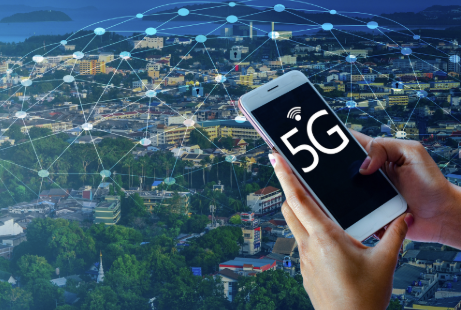
5G technology marks a pivotal advancement in mobile telecommunications. It offers remarkable speed and performance, transforming how users engage with content. The substantial reduction in latency enhances real-time applications, making remote collaboration and gaming experiences more seamless. Furthermore, 5G accommodates a greater number of devices, paving the way for smart city initiatives and the Internet of Things. As these changes unfold, the implications for future innovations in mobile technology become increasingly intriguing.
Enhanced Speed and Performance
The advent of 5G technology marks a significant milestone in mobile telecommunications, primarily characterized by its enhanced speed and performance.
This upgrade facilitates superior streaming quality, enabling users to enjoy high-definition content without interruptions.
Additionally, the gaming experience is transformed, as 5G supports more immersive environments with rich graphics, allowing gamers to connect and compete with minimal lag, ultimately enhancing user satisfaction.
Reduced Latency for Real-Time Applications
5G technology not only enhances speed and performance but also significantly reduces latency, which is vital for real-time applications.
This reduction enables seamless real-time gaming experiences where milliseconds matter, thereby fostering competitive environments.
Additionally, it enhances remote collaboration, allowing individuals and teams to interact effortlessly, share ideas, and execute tasks without frustrating delays.
Such advancements empower users with newfound freedom and efficiency.
Increased Device Connectivity and Capacity
As more devices connect to the network, the increased capacity of 5G technology becomes evident, facilitating a vast ecosystem of interconnected devices.
This advancement bolsters smart city infrastructure, enabling seamless IoT integration.
With the ability to support millions of devices simultaneously, 5G empowers urban environments to operate efficiently, allowing for real-time data exchange and enhanced connectivity that fosters innovation and individual freedom.
See also: miroir-pmu
Enabling Advanced Technologies and Innovations
While traditional mobile networks have laid the groundwork for connectivity, the advent of 5G technology heralds a transformative era for advanced technologies and innovations.
This next-generation network unlocks potential for smart cities, enhancing infrastructure with real-time data and connectivity.
Furthermore, it facilitates immersive experiences, enabling augmented reality and virtual reality applications that empower users and create new opportunities for creativity and engagement in daily life.
Conclusion
In the grand circus of technological advancement, 5G emerges as the ringmaster, orchestrating a dazzling performance of speed and connectivity. While the world eagerly awaits seamless streaming and instant communication, one might ponder if the true spectacle lies not in the technology itself, but in humanity’s insatiable quest for faster cat videos and uninterrupted gaming marathons. As 5G ushers in an era of innovation, perhaps we should also prepare for the inevitable birth of digital distractions more sophisticated than ever.